

Tinder Search: What It Means for Your Dating Safety
Tinder search is rolling out in 2026. Understand how this feature works, what it means for privacy, and how to stay safe while searching profiles.
You've probably heard whispers about it in dating circles or spotted mentions in app updates: Tinder is testing a search feature that lets users find specific profiles rather than relying solely on the swipe queue. For Australian singles, this shift raises immediate questions about privacy, safety, and how dating apps are evolving in 2026. Whether you're curious about tracking down a match you accidentally swiped past or concerned about who might be searching for you, understanding what tinder search actually means is crucial for anyone navigating today's dating landscape.
What Is Tinder Search and How Does It Work?
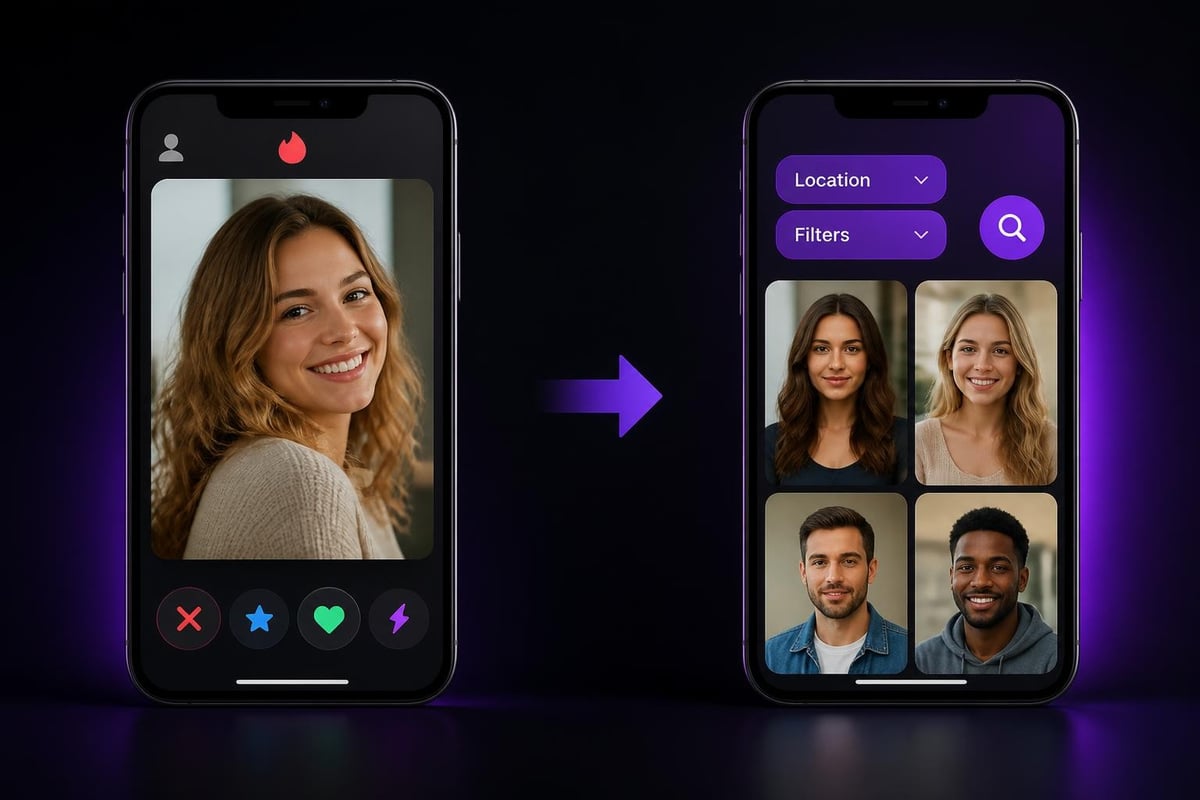
Tinder search refers to a feature that allows users to locate specific profiles using filters beyond the traditional swipe interface. Unlike the core Tinder experience, where you're shown potential matches based on location and preferences with no direct search capability, this functionality gives users more control over discovery.
The Basics of Profile Discovery
Traditionally, Tinder worked like this: you set your age range, distance radius, and gender preferences, then swipe through a queue the algorithm presents. You couldn't search for someone by name, workplace, or mutual connections. This changed in limited markets when Tinder began testing search capabilities tied to premium subscriptions.
According to recent corporate filings from Match Group, the company has been exploring enhanced discovery features across its portfolio of dating apps, including various iterations of search functionality that balance user demand with safety considerations.
Search Filters and Capabilities
When tinder search becomes available, users typically gain access to several filter types:
- Basic demographics: Age range, distance radius, education level
- Lifestyle attributes: Interests, relationship goals, lifestyle choices
- Verification status: Whether profiles have completed photo verification
- Activity indicators: Recent activity or "active today" flags
- Premium filters: Additional criteria available only to paid subscribers
These filters make it theoretically possible to narrow down profiles to a very specific type of person, which fundamentally changes how discovery works on the platform.
Privacy Concerns Around Searchable Dating Profiles
The moment dating profiles become searchable by specific criteria, privacy dynamics shift dramatically. What was once a relatively anonymous browsing experience becomes something more permanent and traceable.
Who Can Find Your Profile?
In most iterations of tinder search, any user within your set preferences can potentially find you through search filters, even if you haven't appeared in their swipe queue yet. This means:
- Your profile is more discoverable to people actively looking for specific characteristics
- Selective visibility becomes harder to maintain, even with careful preference settings
- Unwanted attention may increase from users who filter specifically for your profile attributes
Research on dating app behaviors shows that users develop complex strategies around visibility and discovery. Search features complicate these strategies by making profiles easier to relocate or target.
Data That Becomes More Exposed
| Information Type | Swipe-Only Model | With Search Function |
|---|---|---|
| Name and age | Visible only when shown | Searchable/filterable |
| Location radius | General proximity | Can be triangulated through repeated searches |
| Photos | Temporary viewing | Can be revisited, potentially reverse-searched |
| Bio keywords | Limited exposure | Used as search criteria |
| Workplace/school | Optional detail | Potential search parameter |
The table above illustrates how information that was previously ephemeral becomes more permanent when search capabilities exist. Your profile isn't just seen once and forgotten; it can be found again and again.
The Stalking and Harassment Risk
This is where dating safety becomes critically important. When someone can search for you repeatedly, verify your location radius, and collect information across multiple viewing sessions, the potential for obsessive behavior increases.
Safety experts warn that tinder search capabilities can enable:
- Ex-partners tracking your activity by searching repeatedly to see if you're active
- Strangers building detailed profiles about you before you've even matched
- Location triangulation through systematic distance radius manipulation
- Cross-platform identification by using your photos for reverse image searches elsewhere
The FBI's Internet Crime Complaint Center has documented how bad actors exploit dating platform features, including verification and discovery tools, to target victims more effectively.
How Search Changes Your Dating App Strategy
Understanding that profiles can be searched rather than just swiped past forces a rethink of how you present yourself and protect your safety on dating platforms.
What You Share in Your Profile
Before tinder search, your bio and photos reached a limited, algorithmically selected audience. Now, consider that someone actively filtering for specific traits might land on your profile. This changes what information feels safe to share:
- Workplace details become riskier, as they're potentially searchable
- Specific location markers (favorite cafe, regular gym) create tracking opportunities
- Identifying photos with landmarks or uniforms increase recognition risk
- Unique interests or hobbies make you easier to filter for and identify
None of this means you should create a blank profile. It means being intentional about which identifying details you include and which you save for conversation after matching.
Verification Becomes More Complex
Many users assume verified profiles are automatically safer. While Tinder's photo verification does confirm you're a real person matching your photos, it doesn't verify identity, criminal history, or intentions. When you're using tinder search to find verified profiles specifically, remember:
- Verification only confirms photo authenticity
- Scammers increasingly complete verification before targeting victims
- A blue checkmark doesn't replace doing your own safety checks
This is precisely where CheckMyDate's web search check becomes valuable. Before meeting someone from any dating app, Australian singles can run a privacy-conscious search that scans public records, social media, and other sources to provide a clear safety rating, going well beyond what platform verification offers.
Managing Your Discoverability
If tinder search launches broadly in Australia, you'll want to actively manage how discoverable you are. Consider these strategies:
Limit identifiable information: Use first name only, avoid workplace mentions, choose photos without identifiable backgrounds.
Adjust privacy settings regularly: As apps introduce new features, privacy settings expand. Review them monthly.
Use temporary mode features: Some apps offer browse modes that hide you from search unless you've already matched.
Be selective with swiping: Every right swipe is a data point about your preferences that could inform how you appear in others' filtered searches.
Romance Scams and Search Functionality
Dating app search features create new opportunities for scammers to identify and target victims more efficiently. The Federal Trade Commission reports that romance scams cost victims hundreds of millions annually, with losses accelerating as scammers refine their targeting methods.
How Scammers Exploit Search Tools
Criminals use tinder search and similar features to:
- Filter for high-value targets based on education, lifestyle signals, or location
- Build multiple profiles optimized to appear in specific searches