

Tinder Checker: How to Verify Who You're Really Meeting
Learn how a Tinder checker helps Australian singles verify matches before meeting. Discover tools, red flags, and safety checks for smarter dating.
Meeting someone from Tinder can feel like a leap of faith. You've chatted online, maybe video called once or twice, but there's still that nagging question: is this person really who they say they are? A tinder checker gives you a practical way to verify your match's identity and background before you commit to that first date. For Australian singles navigating the dating scene in 2026, these tools offer peace of mind without turning you into a private investigator. Let's explore what a tinder checker actually does, how it works, and why more Aussies are using them to date smarter and safer.
What Exactly Is a Tinder Checker?
A tinder checker is a verification tool or service that helps you confirm details about your Tinder match before meeting in person. Think of it as a quick background check that pulls together publicly available information to give you a clearer picture of who you're talking to.
These tools typically search across multiple sources:
- Social media profiles on Facebook, Instagram, and LinkedIn
- Public records including court documents and news articles
- Reverse image searches to detect fake or stolen photos
- Dating app presence on other platforms
- Contact information verification
The goal isn't to invade someone's privacy or stalk them. Rather, it's about confirming that the person you're planning to meet exists as described and doesn't have any major red flags that might put your safety at risk.
Why Australian Singles Are Using Verification Tools
Dating apps have become the primary way Australians meet romantic partners, but this convenience comes with genuine risks. Catfishing, identity theft, and worse happen often enough that taking basic precautions just makes sense.
Research shows that authentication methods can significantly improve trust on dating platforms. A tinder checker bridges the gap between the limited information on someone's profile and the confidence you need to meet face-to-face.
You wouldn't hand your house keys to a stranger. Why meet someone in person without knowing anything verifiable about them?
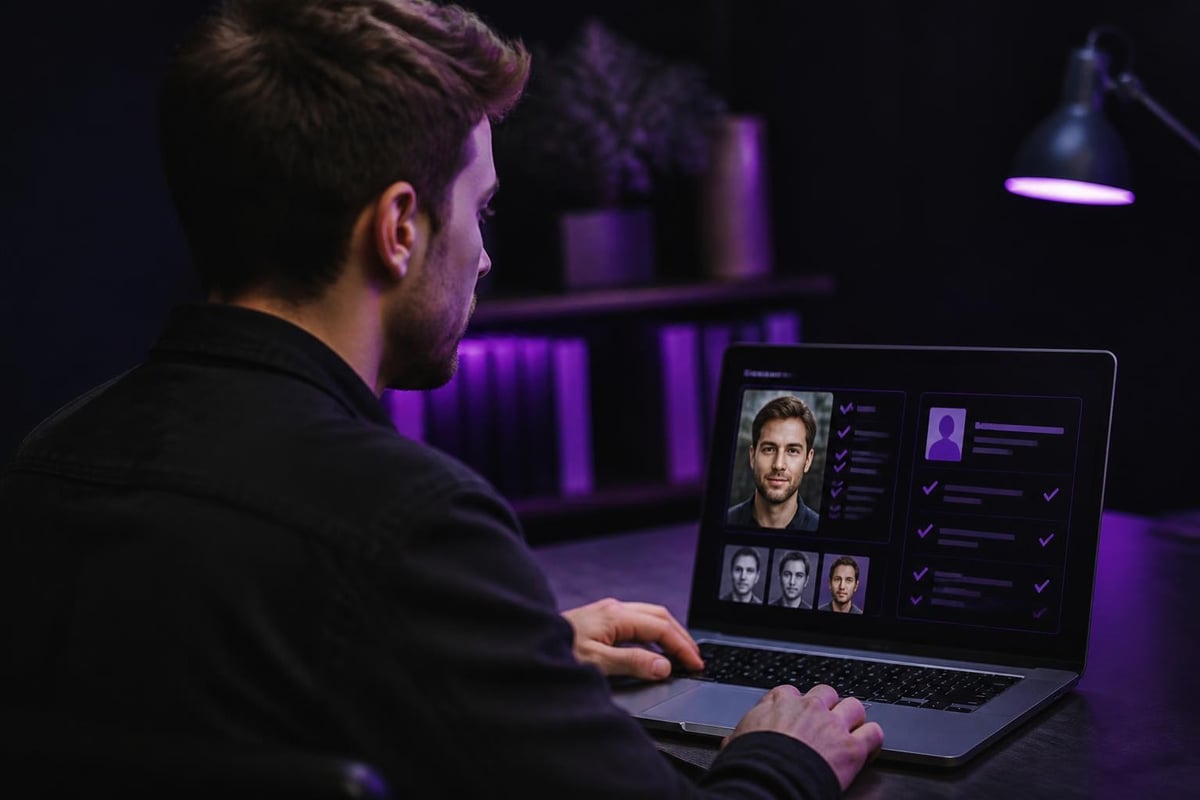
How Tinder Checkers Actually Work
Different verification services take different approaches, but most follow a similar pattern. Understanding the process helps you choose the right tool and interpret results accurately.
The Basic Verification Process
When you use a tinder checker, here's what typically happens:
- Information Input: You provide your match's name, age, location, and any other details from their profile
- Cross-Platform Search: The service scans public databases, social networks, and online records
- Photo Analysis: Reverse image searches detect if profile photos appear elsewhere online
- Data Compilation: Information gets aggregated and analyzed for consistency
- Safety Rating: You receive a report highlighting matches, discrepancies, and potential concerns
The entire process usually takes just a few minutes. More comprehensive checks might take longer but provide deeper insights into someone's background and online presence.
What Gets Checked Behind the Scenes
| Verification Type | What It Reveals | Why It Matters |
|---|---|---|
| Name/Age Match | Consistency across platforms | Catches basic lies about identity |
| Photo Verification | Original source of images | Detects stolen or stock photos |
| Social Media | Active profiles, connections | Confirms real person with real life |
| Public Records | Court cases, news mentions | Identifies serious red flags |
| Contact Details | Phone/email validation | Ensures you can reach them |
A proper web search check examines all these areas to build a complete picture. Some services focus only on photo verification, while others dig deeper into public records and social footprints.
Red Flags a Tinder Checker Can Uncover
Not every match is who they claim to be. A tinder checker helps you spot warning signs before you invest time, emotion, or risk your safety on a date.
Common Deception Patterns
Fake Photos: Reverse image searches might reveal your match's photos belong to someone else entirely. This is catfishing in its most basic form, where someone uses attractive photos to lure in matches.
Inconsistent Details: When someone's age, location, or profession don't match across platforms, it raises questions. A 35-year-old marketing manager on Tinder who appears as a 28-year-old student on LinkedIn deserves scrutiny.
No Digital Footprint: In 2026, almost everyone has some online presence. A complete absence might indicate a fake profile, someone hiding their real identity, or a person in witness protection (though probably the first two).
Serious Safety Concerns
Beyond simple catfishing, a tinder checker can reveal genuinely dangerous situations:
- Criminal records for violent offenses
- News articles about fraud or harassment
- Multiple restraining orders
- Active warrants or ongoing legal issues
- Evidence of scamming or financial crimes
These aren't reasons to be paranoid about everyone you match with. They're simply facts you deserve to know before meeting someone in a private setting.
Tinder's Built-In Verification vs Third-Party Checkers
Tinder offers its own verification process through photo authentication. Users take real-time selfies that get matched against their profile photos using facial recognition technology. While helpful, this system has limitations.
What Tinder Verification Does Well
Tinder's verification confirms that:
- The person has access to a real device right now
- Their current appearance roughly matches their photos
- They're willing to complete the verification process
That blue checkmark provides baseline confidence that you're talking to a real person, not a bot or someone using decade-old photos.
Where It Falls Short
However, Tinder's verification doesn't tell you:
- Whether they're using someone else's device
- Their real name, age, or background
- Criminal history or safety concerns
- If they're married, in relationships, or running scams
- Whether they've been banned from other platforms
This is where a comprehensive tinder checker adds value. It goes beyond "is this a real person?" to answer "is this someone I should actually meet?"
Choosing the Right Verification Tool for Your Needs
Not all tinder checker services offer the same features or reliability. Knowing what to look for helps you select one that actually keeps you safer.
Essential Features to Look For
Privacy Protection: The service should protect your information and not broadcast that you've checked someone. Look for platforms that conduct searches discreetly without alerting the other person.
Australian Database Access: International services might miss local records. Choose tools that search Australian public records, news sources, and regional databases.
Clear Reporting: Results should be easy to understand, not buried in jargon or pages of irrelevant data. A simple safety rating helps you make quick decisions.
Up-to-Date Information: Social media changes constantly. Real-time or recently updated searches matter more than cached data from months ago.
Before meeting someone from a dating app, a web search check provides privacy-conscious verification that scans public records, social media, and photos to deliver a clear safety rating in minutes.
Price vs Value Considerations
| Service Type | Typical Cost | What You Get | Best For |
|---|---|---|---|
| Free Tools | $0 | Basic name search, limited data | Initial curiosity check |
| Photo Only | $5-15 | Reverse image search | Catching obvious catfish |
| Standard Check | $20-35 | Social media, public records | Most first dates |
| Comprehensive | $50+ | Deep background, multiple sources | High-stakes situations |
For most Australian singles, a standard check provides the right balance. Save the comprehensive background checks for situations where you've noticed concerning behaviour or have specific safety worries.
When and How to Use a Tinder Checker
Timing matters. Check too early and you might seem paranoid. Wait too long and you've already invested significant emotion