
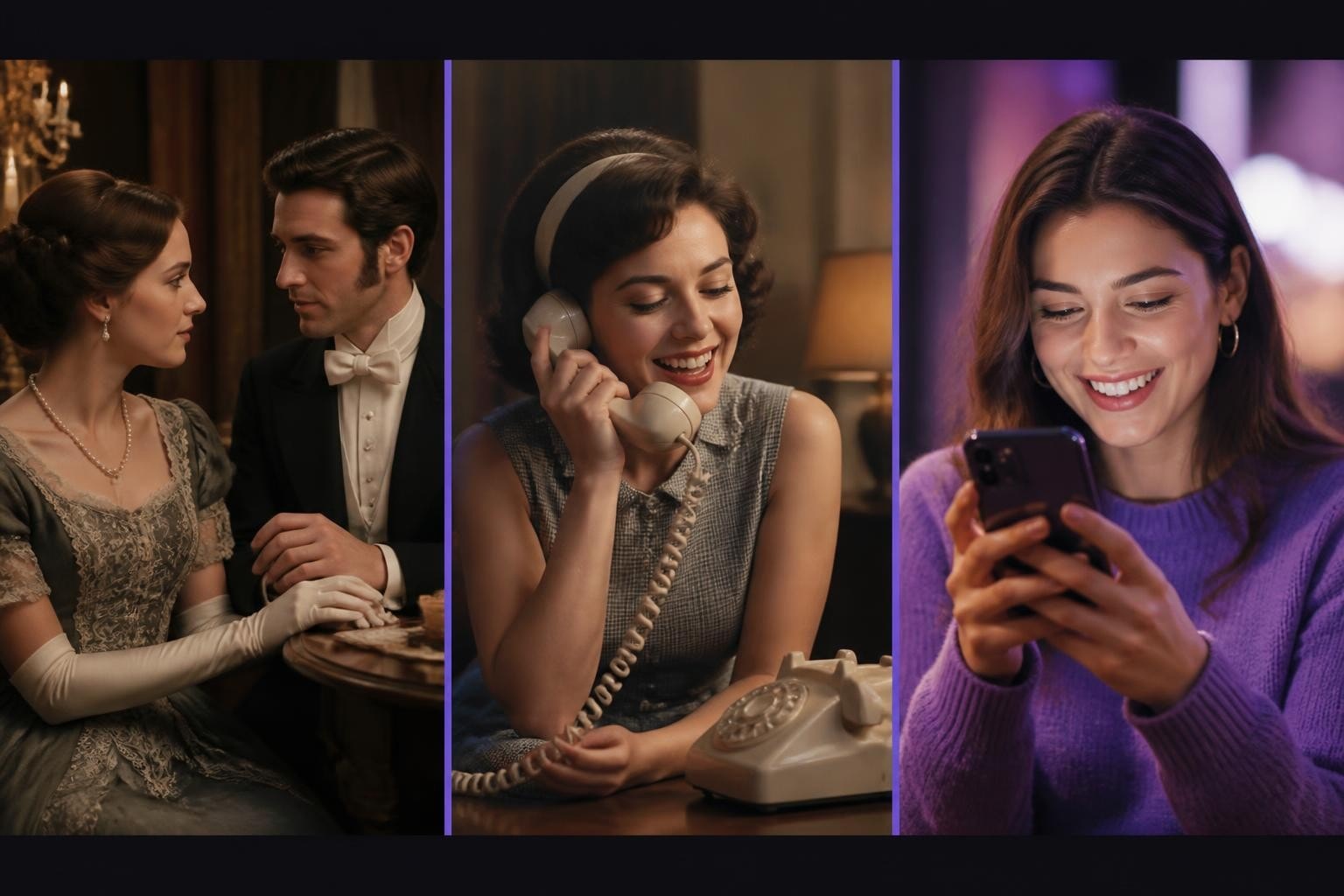
The History of Dating in Australia: From Courtship to Apps
Discover how dating evolved from formal courtship to modern apps. The history of dating reveals surprising truths about romance and safety.
Dating feels like a modern invention, doesn't it? Swiping through profiles on your phone, chatting with strangers online, meeting for coffee with someone you've never seen in person. But the history of dating stretches back much further than smartphones and dating apps. Understanding where our romantic rituals come from helps us appreciate how dramatically things have changed, and how some challenges, particularly around safety and trust, have always been part of finding love. For Australian singles navigating today's dating scene, knowing this history provides valuable context for making safer, smarter choices.
The Era Before "Dating" Existed
For most of human history, what we call dating simply didn't exist. The ancient origins of romantic gestures like kissing date back thousands of years, but the practice of two people casually spending time together to explore romantic compatibility? That's surprisingly new.
In the 18th and 19th centuries, courtship was the standard. Young men would "call upon" young women at their family homes, with parents hovering nearby. These visits were formal, supervised affairs. The woman's family controlled the entire process.
Key features of traditional courtship:
- Meetings occurred in the woman's home
- Parents or chaperones were always present
- The man's intentions had to be explicitly stated
- Economic status and family approval mattered most
- Physical intimacy was strictly forbidden
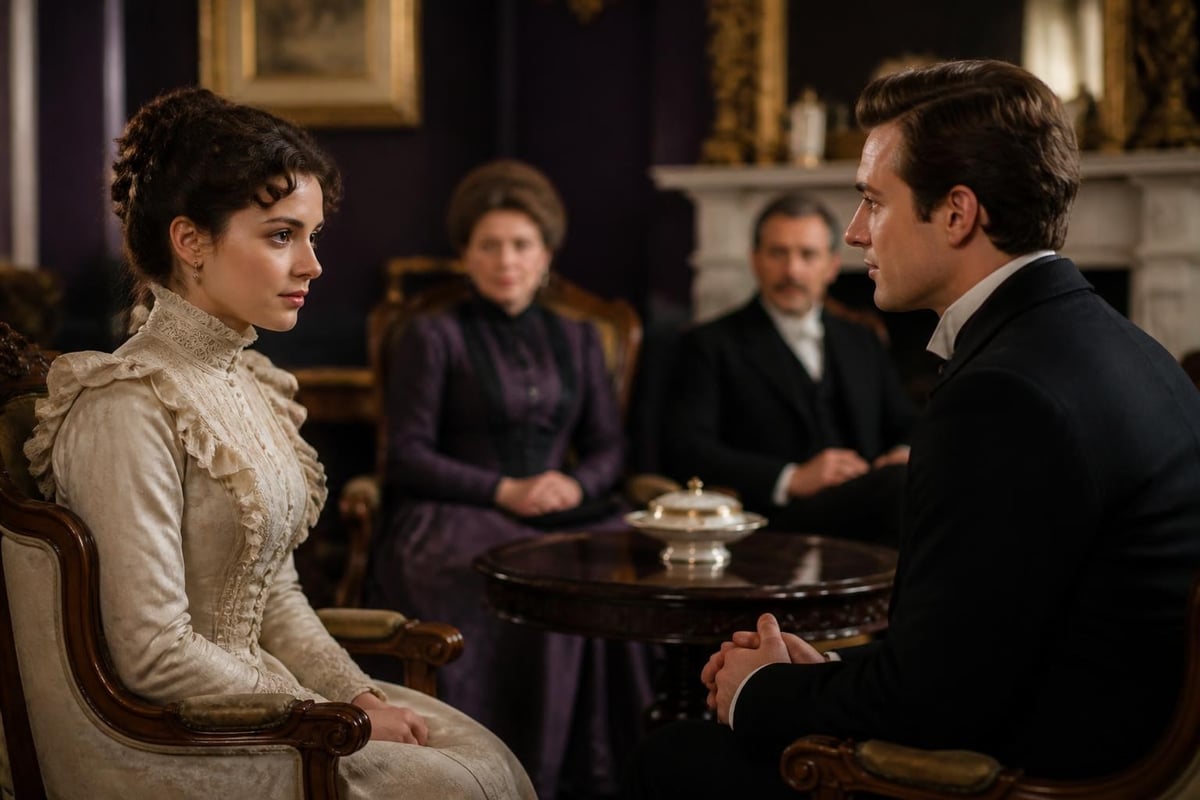
This system wasn't about love or personal connection. It was about property, lineage, and social standing. Women had limited choices, and men needed their family's financial backing to marry. The history of dating shows us that romantic freedom is a relatively modern concept, one that didn't truly emerge until social and economic conditions shifted dramatically.
When Dating Actually Began
The word "date" in a romantic context first appeared in American newspapers around the 1890s. But the practice didn't become mainstream until the early 20th century, driven by several social revolutions happening simultaneously.
The Move to Cities
As people migrated from farms to urban centres for work, young adults gained independence from their families. In Australian cities like Melbourne and Sydney, workers lived in boarding houses or small flats. They had money to spend and time away from parental supervision.
This created space for a new kind of romance. Young people could meet in public spaces, away from watchful family eyes. The history of dating became intertwined with urbanisation and economic freedom.
Women Enter the Workforce
The feminist perspective on dating history highlights how women's economic independence transformed romantic relationships. When women earned their own wages, they could choose their partners based on attraction and compatibility, not just financial security.
By the 1920s, the "modern woman" worked outside the home, attended social events unchaperoned, and made her own relationship decisions. This shift terrified traditionalists but delighted young people eager for freedom.
| Era | Where Couples Met | Who Had Control | Safety Mechanisms |
|---|---|---|---|
| Pre-1900 | Family home | Parents/guardians | Family vetting, constant supervision |
| 1900-1940 | Public spaces, workplaces | Shared between couple and families | Social networks, reputation systems |
| 1940-1980 | School, work, introductions | Primarily the couple | Mutual friends, community connections |
| 1980-2000 | Bars, personal ads, work | Individual choice | Phone verification, public first dates |
| 2000-present | Dating apps, online | Individual choice | Photo verification, background awareness |
The Automobile Changed Everything
Nothing transformed the history of dating quite like the car. In the 1920s and 1930s, automobiles gave couples privacy and mobility. They could drive to cinemas, restaurants, or secluded spots without chaperones.
This freedom came with new risks. Parents worried about what happened in the backseat of a Ford. Society grappled with questions about appropriate behaviour and women's safety that feel familiar even today. The concerns may have looked different, but the core anxiety about trusting someone you're still getting to know? That's remained constant.
Dating Through the Decades
The mid-20th century established dating patterns that many Australians still recognise. The evolution of dating culture over the past century shows distinct phases shaped by wars, technology, and social movements.
The 1940s-1950s: Going Steady
After World War II, dating became more serious and marriage-focused. "Going steady" meant exclusive relationships, often symbolised by wearing a partner's class ring or letterman jacket.
Australian dating culture during this period emphasised:
- Formal dates with clear gender roles
- Men paid for everything
- Women were expected to maintain respectability
- Marriage was the ultimate goal
- Parents still had significant input
The history of dating in this era was conservative, with strict social codes governing behaviour. Breaking these rules risked your reputation, particularly for women.
The 1960s-1970s: The Sexual Revolution
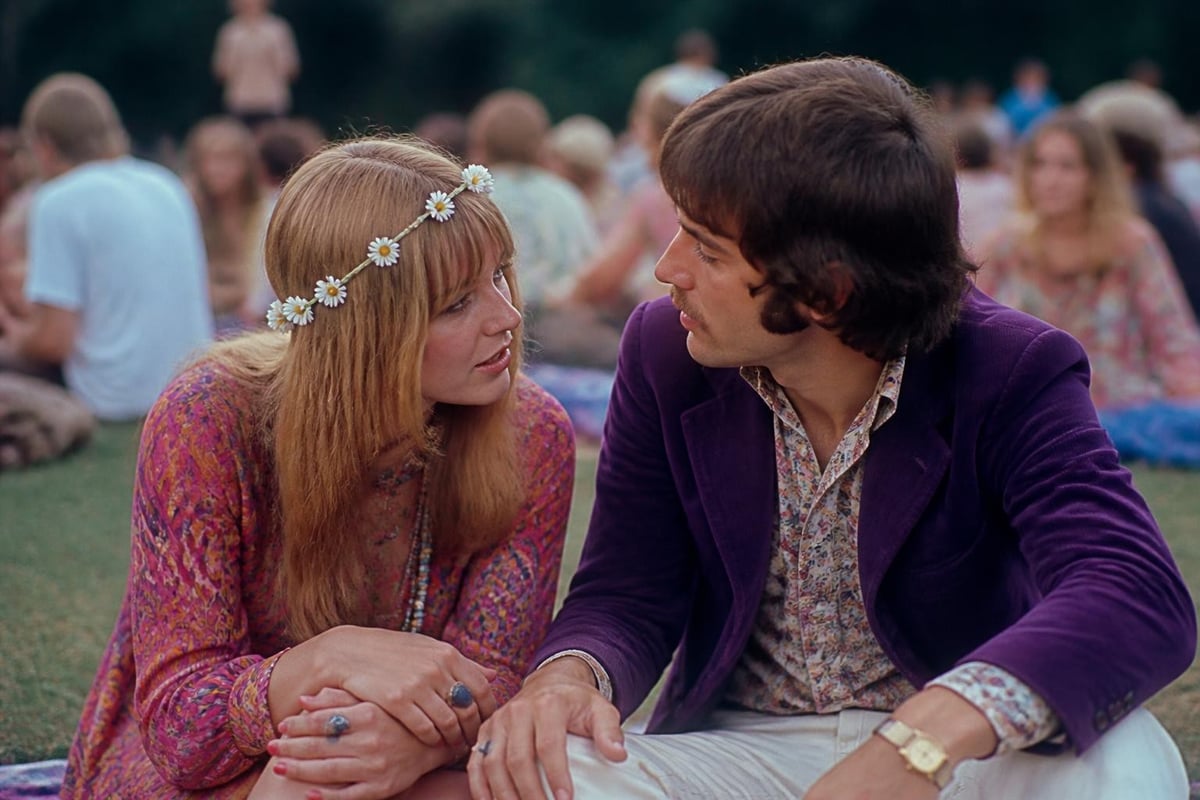
Everything changed in the 1960s. The contraceptive pill became widely available in Australia in 1961. Women's liberation challenged traditional gender roles. The sexual revolution questioned old assumptions about relationships and intimacy.
Dating became less formal and more exploratory. Couples met at universities, protests, concerts, and parties. The complex history of American dating influenced Australian practices, though we developed our own distinct culture around beach culture and outdoor activities.
The 1980s-1990s: Singles Culture
The 1980s saw the rise of singles bars, speed dating, and personal ads in newspapers. For the first time, being single wasn't seen as a temporary state before marriage. It was a lifestyle.
Australian singles placed personal ads in magazines and newspapers, describing themselves and what they sought. These ads required trust. You'd arrange to meet someone based purely on their written description, with no photos, no mutual friends, and no way to verify their identity.
Common personal ad abbreviations:
- WLTM: Would like to meet
- GSOH: Good sense of humour
- ISO: In search of
- LTR: Long-term relationship
- NS: Non-smoker
The parallels to modern dating apps are striking. The history of dating shows us that people have always sought connections with strangers, navigating uncertainty and hoping for honesty.
The Digital Revolution in Dating
The internet changed dating more dramatically than any previous technology. Online dating sites emerged in the mid-1990s, but they were clunky and carried social stigma. Admitting you met someone online felt embarrassing, like you couldn't find a date "the normal way."
Early Online Dating (1995-2010)
Match.com launched in 1995. RSVP, one of Australia's first major dating sites, started in 1997. These platforms required detailed profiles and desktop computers. Users filled out long questionnaires about their interests, values, and preferences.
The process was slow and deliberate. You'd exchange messages for weeks before meeting. The history of dating during this period shows a careful, sometimes paranoid approach to online strangers. Safety concerns were discussed openly. Women particularly worried about meeting unknown men from the internet.
These concerns weren't unfounded. Without tools to verify identities or check backgrounds, online dating required significant trust. Some users lied about their age, appearance, or marital status. Others had more sinister intentions.
The Smartphone Era (2010-Present)
Everything accelerated when dating moved to smartphones. Tinder launched in 2012, introducing swipe-based matching. Suddenly, dating was fast, visual, and always accessible.
Ten fascinating facts about courtship evolution include how quickly smartphone dating normalised what once seemed dangerous: meeting strangers from apps.
Today's dating landscape includes: