

Understanding the Hinge Report: What It Means for Safe Dating
Learn what a Hinge report is, why accounts get flagged, and how Australian singles can protect themselves when using the dating app in 2026.
You've matched with someone interesting on Hinge, the conversation is flowing, and you're thinking about meeting up. But then you notice something off about their profile, or their behaviour makes you uncomfortable. What do you do? Understanding how a hinge report works, what happens when someone gets reported, and the broader implications for your dating safety can help you navigate modern dating with more confidence and awareness.
What Is a Hinge Report and How Does It Work?
A hinge report is essentially a flag that users can raise when they encounter concerning behaviour on the dating platform. Think of it as Hinge's way of letting you be part of the safety ecosystem.
When you report someone on Hinge, you're alerting the platform's moderation team to potential violations of community guidelines. These can range from harassment and hate speech to scams and catfishing.
The Reporting Process on Hinge
The process itself is straightforward:
- Open the user's profile you want to report
- Tap the three dots in the top right corner
- Select "Report" from the menu
- Choose the specific reason for your report
- Add any additional context if needed
Hinge takes these reports seriously, but the outcome isn't always transparent to the person who filed the report. Understanding Hinge's safety features helps you know what protections are actually in place versus what you might need to handle yourself.
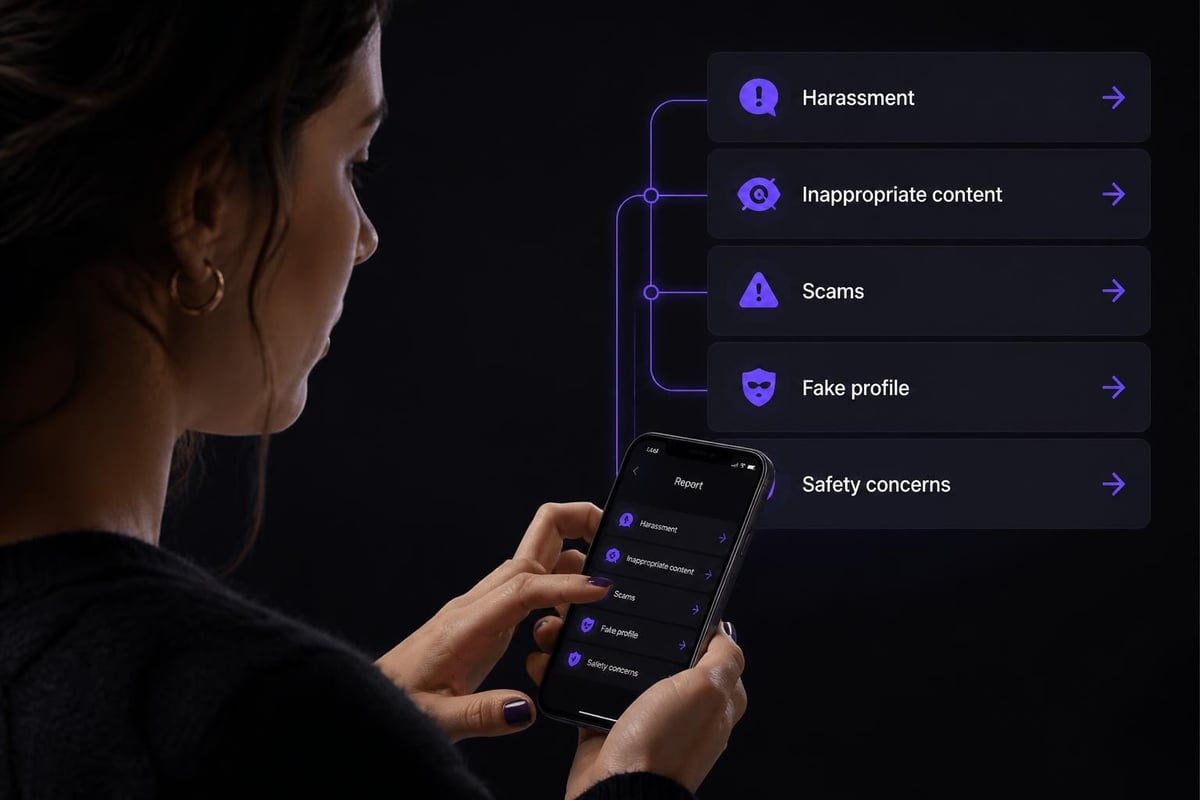
Once submitted, your hinge report enters a review queue where Hinge's trust and safety team evaluates the claim against their community standards. The reported user won't know who filed the report, which protects you from potential retaliation.
Why Accounts Get Reported and What Happens Next
Not all reports are created equal. Some violations are clear-cut, while others require more nuanced investigation.
Common Reasons for a Hinge Report
| Report Type | Examples | Typical Outcome |
|---|---|---|
| Harassment | Aggressive messages, stalking behavior, threatening language | Account suspension or ban |
| Scams | Money requests, cryptocurrency schemes, fake emergencies | Immediate account removal |
| Fake profiles | Stolen photos, misrepresented identity, bot accounts | Profile deletion |
| Inappropriate content | Explicit photos, hate speech, violent imagery | Content removal and warning |
| Spam | Mass messaging, promotional content, external links | Temporary restriction |
The platform uses both automated systems and human reviewers to assess each hinge report. Research into dating app privacy and security shows that while apps like Hinge have improved their safety measures, gaps still exist that users should be aware of.
The Investigation Timeline
You might wonder how long it takes for action to happen after you file a hinge report. The reality is that timelines vary significantly based on the severity of the violation and the volume of reports the platform is handling.
Urgent safety concerns like threats or doxxing typically receive faster attention, sometimes within hours. Less urgent reports about spam or minor guideline violations might take several days to review.
The Hidden Side of Hinge Reports: Bans and Appeals
Here's where things get complicated. The Atlantic's investigation into Hinge bans revealed that many users find themselves banned without clear explanations or effective appeal processes.
Sometimes a hinge report leads to an immediate ban. Other times, multiple reports accumulate over weeks or months before action is taken. The lack of transparency can be frustrating for both reporters and those who've been reported.
When Reports Go Wrong
False reports do happen. Someone might file a hinge report out of spite after a rejected advance or a date that didn't work out. Others might misunderstand the reporting system and flag someone for simply not being interested in them.
Hinge attempts to identify patterns rather than acting on single reports, but the system isn't perfect. This is one reason why taking your safety into your own hands matters so much.
Before meeting anyone from Hinge or any dating app, running a web search check gives you an additional layer of verification that exists independently of the app's internal reporting system. It's about having multiple sources of information rather than relying solely on the platform's moderation.
How Hinge Reports Fit Into Broader Dating Safety
The hinge report system is just one piece of the dating safety puzzle. While it's useful for flagging problematic users, it has limitations that every Australian single should understand.
What Reports Can and Cannot Do
Reports can:
- Remove dangerous users from the platform
- Create accountability for bad behavior
- Help Hinge identify patterns of abuse
- Protect other users from known scammers
Reports cannot:
- Guarantee immediate action
- Prevent someone from creating a new account
- Verify someone's identity upfront
- Alert you to red flags before you match
The dating landscape has evolved significantly. Hinge's user statistics for 2026 show millions of active users across Australia, which means the moderation team faces an enormous task in reviewing reports effectively.
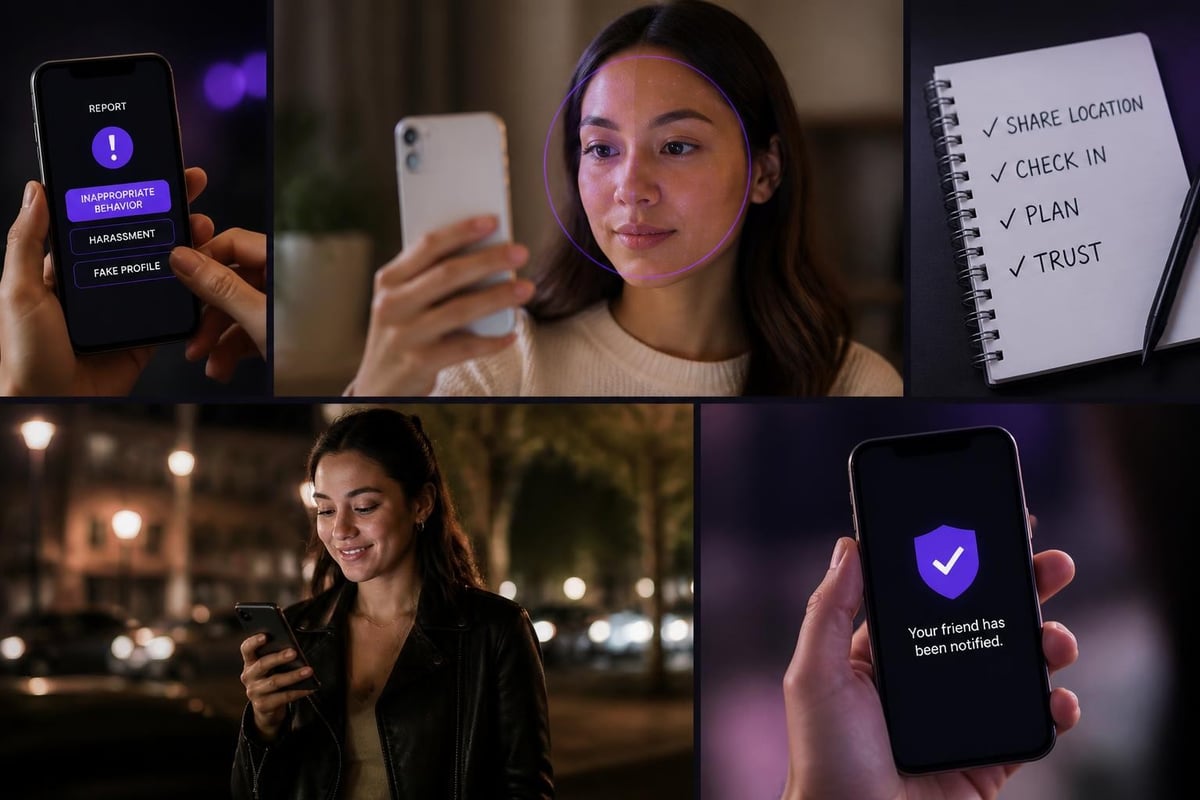
Using Technology to Supplement Reporting Systems
Hinge has introduced new features like AI-powered conversation starters to improve user experience, but technology can also enhance your safety beyond what the app provides.
Smart Safety Strategies
Think of filing a hinge report as one tool in your safety toolkit. Here are others you should consider:
- Screenshot concerning conversations before reporting
- Block users immediately if you feel uncomfortable
- Trust your instincts rather than giving multiple chances
- Research matches independently using public information
- Tell someone where you're going on first dates
The research on dating app dynamics demonstrates how algorithms influence who we see and interact with, but they can't assess genuine safety risks the way human judgment can.
Red Flags That Should Trigger a Hinge Report
Knowing when to file a hinge report protects both you and other users. Some violations are obvious, but others are more subtle.
Clear Violations
- Requests for money or financial information
- Explicit sexual content sent without consent
- Threats of any kind
- Hate speech or discriminatory language
- Clear evidence of catfishing or fake profiles
Subtle Warning Signs
Sometimes behavior falls into a grey area. Someone might be pushy about meeting quickly, deflect questions about themselves, or have a profile that seems too good to be true. These might not violate Hinge's terms directly, but they warrant caution.
You don't need definitive proof to file a hinge report. If something feels wrong, the platform would rather review and clear someone than miss a genuine safety concern. Better to err on the side of caution.
What Happens After You File a Report
The waiting period after filing a hinge report can feel uncertain. You've taken action, but now what?
First, Hinge will unmatch you from the person you reported. You won't see their profile again, and they can't contact you through the app. This happens immediately, regardless of whether the report leads to further action.
The platform then begins its review process. Multiple factors influence the outcome:
- Severity of the allegation determines priority level
- Number of similar reports about the same user
- Evidence quality in the report submission
- User's history of previous violations
You typically won't receive updates about the investigation's outcome. This protects user privacy bu