
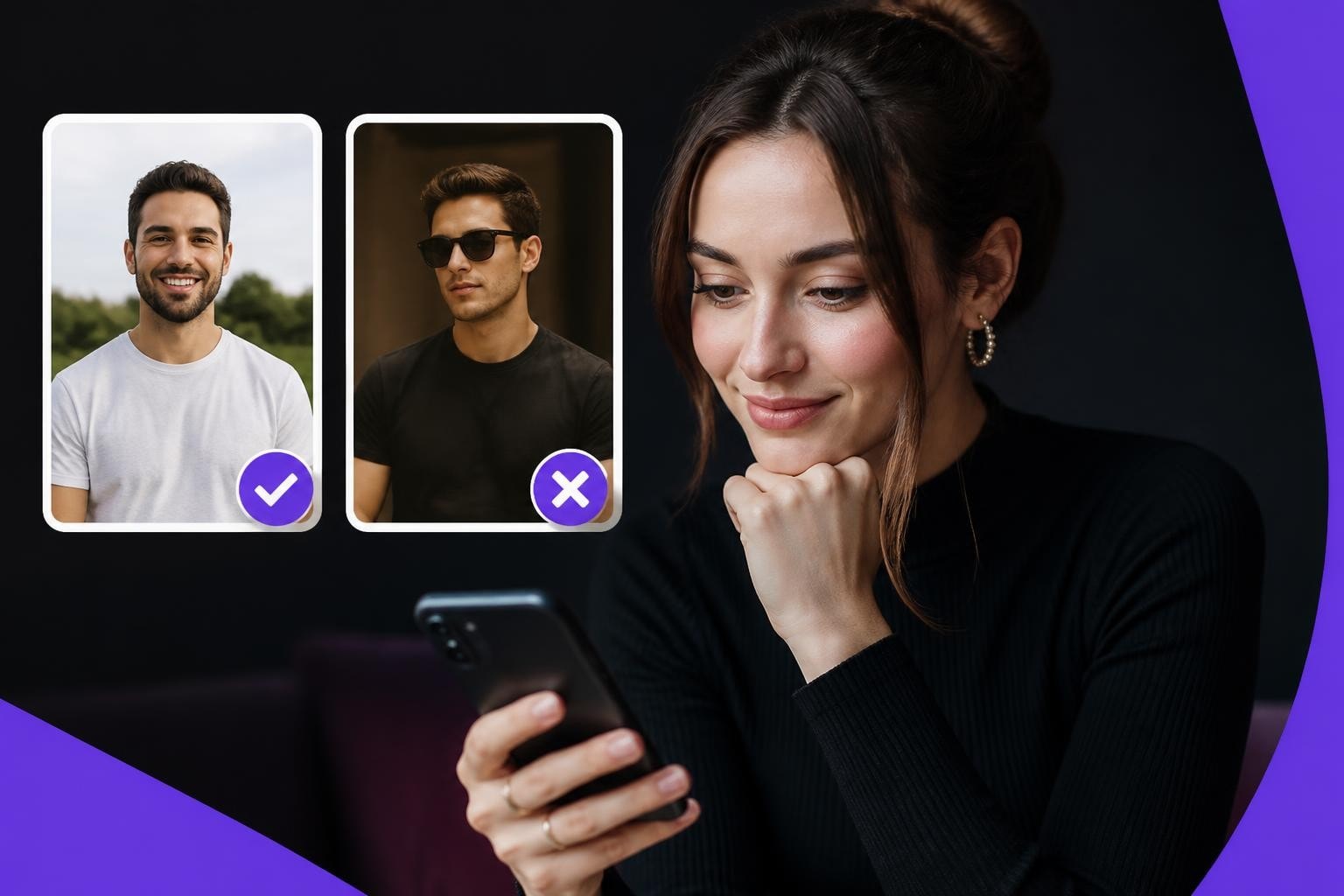
Dating Site Profile Pictures: Smart Safety Tips
Your dating site profile pictures reveal more than you think. Learn what to look for, safety red flags, and how to protect yourself in 2026.
Your dating site profile pictures might be the first thing a potential match notices, but they're also the first line of defence in protecting yourself online. In 2026, Australian singles are savvier than ever about digital dating, yet profile photos remain a complex mix of self-presentation, authenticity, and occasionally, deception. Understanding what makes a genuine profile picture, how to spot warning signs, and what your own photos communicate can make the difference between a safe, enjoyable dating experience and a concerning encounter.
Why Profile Pictures Matter More Than Ever
Dating site profile pictures carry enormous weight in the Australian online dating landscape. They're not just about attraction-they're about trust, verification, and safety.
Profile photos serve multiple functions simultaneously:
- First impression and attraction trigger
- Identity verification anchor point
- Authenticity signal for other users
- Safety screening tool for cautious daters
- Conversation starter or dealbreaker
Research on visual self-representation shows that people make split-second judgements based on profile images, and these decisions vary significantly by gender and cultural context. Australian daters are increasingly aware that a profile picture isn't just marketing-it's a trust indicator.
When you're scrolling through potential matches, those images tell stories. A clear, recent photo suggests someone comfortable with transparency. Multiple photos from different settings indicate authenticity. But what about the profiles with only one heavily filtered shot, or images that seem professionally touched up to the point of unreality?
The Authenticity Question
The tension between presenting your best self and remaining genuine defines modern dating site profile pictures. Everyone wants to look attractive, but crossing into deception creates safety concerns.
Consider what happens when someone shows up to a date looking nothing like their photos. Beyond disappointment, it signals a willingness to misrepresent-and if they're dishonest about appearance, what else might they hide?
Recent studies examining visual elements like media richness, blurriness, and beautification in dating profiles reveal fascinating patterns. Heavily filtered or blurred images actually reduce positive outcomes, suggesting that daters can instinctively detect and avoid inauthentic presentation.
Red Flags in Dating Profile Pictures
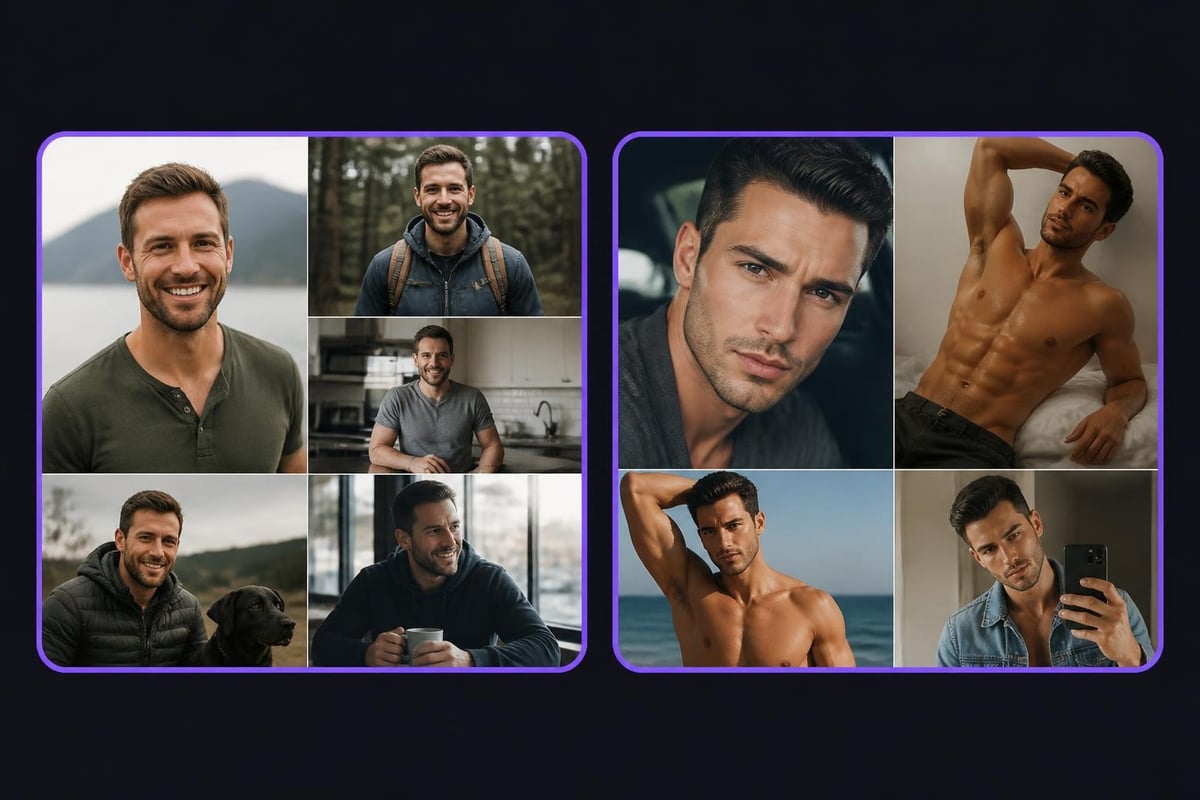
Smart Australian singles know that certain photo patterns deserve extra scrutiny. These aren't about judging someone's appearance-they're about recognising safety warning signs.
Major red flags to watch for:
- Only one photo on the entire profile
- All images are heavily filtered or edited
- Photos appear professionally shot or stock-image quality
- No clear face shots or obscured features
- Obvious inconsistencies between multiple photos
- Only group photos with no indication which person they are
Let me be direct: if someone can't provide a clear, recent photo of themselves, that's a problem. It doesn't mean they're dangerous, but it does mean they're hiding something.
The Reverse Image Search Reality
One practical safety step that's gained traction among cautious Australian daters is the reverse image search. It sounds technical, but it's straightforward: you upload a profile picture to Google Images or TinEye to see where else it appears online.
This technique can reveal:
- Stock photos being used as fake profiles
- Images stolen from Instagram or other platforms
- The same photo appearing on multiple dating profiles under different names
- Professional modelling shots passed off as casual selfies
Safety experts increasingly recommend this simple verification step before investing time in conversations or agreeing to meet. It's not about being paranoid-it's about being sensible in an environment where catfishing remains a genuine concern.
Running quick background checks has become standard practice for many Australians. Before a first date, you might use a web search check to scan public records and social media, ensuring the person you're meeting aligns with how they've presented themselves online. It's the digital equivalent of asking friends if they know someone-updated for 2026.
What Your Own Photos Should Include
Let's flip the perspective. If you're creating or updating your dating profile, your dating site profile pictures need to strike a balance between attractive and authentic.
Essential elements for trustworthy profile photos:
- At least 3-5 different photos showing variety
- One clear headshot with good lighting
- Full-body photo so there's no surprises
- At least one photo doing something you enjoy
- Recent images (within the past 12 months)
- Natural settings that reflect your real life
| Photo Type | Purpose | Safety Signal |
|---|---|---|
| Clear headshot | Face recognition | Verification confidence |
| Full-body shot | Complete representation | No hidden details |
| Activity photo | Personality showcase | Real interests |
| Social setting | Normal life context | Genuine social connections |
| Casual candid | Authenticity proof | Not overly staged |
The goal isn't perfection. It's honest representation. Your photos should look like you on an average good day, not your absolute peak after professional styling.
The Filter Debate
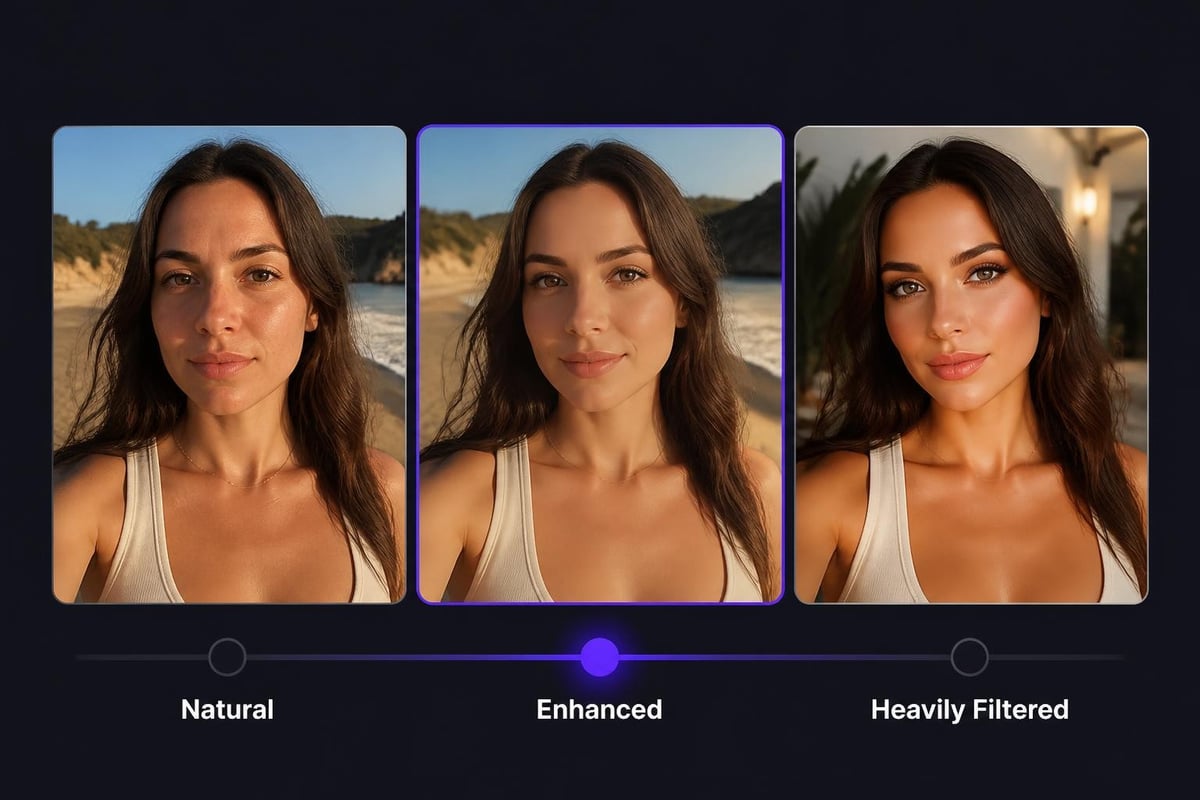
Heavy filters and beauty apps create a dilemma. They're fun, they boost confidence, and everyone uses them occasionally. But on dating site profile pictures, they undermine trust.
A slight touch-up? Most people won't notice or care. But if your filters are so aggressive that you're barely recognisable, you're setting yourself up for awkward first dates and damaged credibility.
Filtering guidelines for dating profiles:
- Light adjustments to brightness and contrast: fine
- Smoothing skin texture slightly: generally acceptable
- Changing facial structure or proportions: problematic
- Adding cartoon features or dramatic effects: avoid for main photos
- Using the same heavy filter across all images: red flag territory
Think of it this way: your photos should make someone excited to meet you, not confused when they do.
Cultural and Personal Considerations
Australian dating culture values authenticity, but that doesn't mean everyone presents themselves identically. Understanding different approaches to dating site profile pictures helps you interpret what you're seeing.
Some people are naturally more private and may have fewer photos available. That's different from someone deliberately obscuring their identity. Cultural backgrounds influence photo comfort levels too-what seems normal in one community might differ in another.
Accessibility and Inclusiveness
An often-overlooked aspect of profile pictures involves accessibility. Dating should be inclusive, and profile images need to work for everyone, including those using screen readers or other assistive technologies.
If you're creating a profile on platforms that allow alt text, use it. Describe your photo simply: "Smiling in a blue shirt at the beach" gives context that pure visual elements can't provide to all users.
This matters for safety too: accessible profiles tend to be more complete and genuine, because people taking time to add alt text usually care about honest communication.
The Color and Clothing Factor
You might've heard that wearing red makes you more attractive in dating site profile pictures. The evidence is actually quite mixed and not as clear-cut as popular wisdom suggests.
What matters more than color is context:
- Wearing clothes that suit you and fit well
- Choosing outfits appropriate to the settings shown
- Avoiding clothing with controversial messages or logos
- Presenting yourself as you'd actually dress