

Dating Profile Reverse Search Site: Your Safety Guide 2026
Learn how a dating profile reverse search site works, why Aussie singles use them, and how to verify someone's identity before your first date.
You've matched with someone brilliant on a dating app. The banter's flowing, their photos look genuine, and you're planning to meet for coffee this Saturday. But something niggles at you. Are they really who they say they are? This is where a dating profile reverse search site becomes your quiet safety net, helping Australian singles verify someone's identity before that crucial first meeting.
What Is a Dating Profile Reverse Search Site?
A dating profile reverse search site is a specialised tool that helps you verify someone's online identity by searching for their photos, name, phone number, or other details across the web. Think of it as a digital background check that scans public records, social media platforms, news articles, and other dating profiles to build a clearer picture of who you're about to meet.
These platforms emerged because traditional Google searches often miss the mark. Dating app photos don't always appear in standard search results, and catfishers know exactly how to stay hidden. A proper reverse search tool digs deeper, using image recognition technology and cross-platform data matching to uncover whether someone's profile appears elsewhere online, or worse, if it's stolen from someone else entirely.
Why Aussie Singles Are Turning to Profile Verification
The numbers tell a sobering story. Romance scams cost Australians millions each year, and that doesn't account for the emotional toll of deception, ghosting, or discovering your date lied about fundamental details. While not everyone who stretches the truth is dangerous, knowing the facts helps you make informed choices about your safety.
Here's what drives people to use a dating profile reverse search site:
- Photo verification to confirm images haven't been stolen from Instagram, modelling sites, or other dating profiles
- Identity confirmation to match names and faces across social platforms
- Safety screening to check for criminal records, news mentions, or concerning online behaviour
- Peace of mind before meeting someone in person for the first time
You're not being paranoid. You're being sensible. According to guidance from the FTC on romance scams, reverse image searches on profile photos are a recommended first step in protecting yourself.
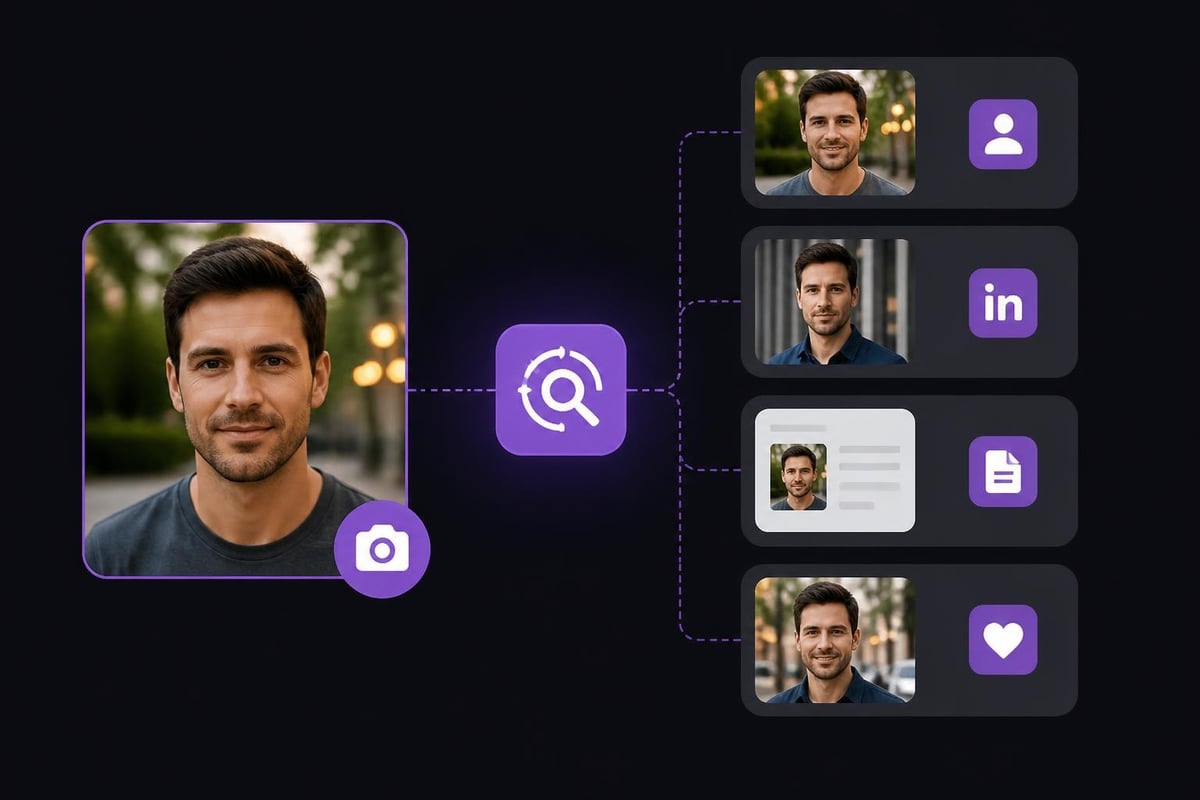
How Dating Profile Reverse Search Actually Works
The technology behind profile verification combines several search methods into one comprehensive sweep. When you enter someone's photo or details, the platform doesn't just check one database; it queries multiple sources simultaneously.
The Search Process Step by Step
- Image upload or URL submission where you provide the profile photo you want to verify
- Facial recognition matching that compares the image against billions of indexed photos online
- Metadata extraction that reveals when and where photos were originally taken or posted
- Cross-platform scanning across social networks, dating apps, and public websites
- Results compilation showing where else that image or person appears online
The whole process typically takes minutes, not hours. Modern platforms use AI to speed up image matching while filtering out false positives (like someone who just happens to look similar).
What Can Actually Be Found?
Different dating profile reverse search site platforms offer varying depths of information. Some focus purely on photos, while others incorporate name searches, phone numbers, and email addresses.
| Search Type | What It Reveals | Best For |
|---|---|---|
| Reverse image | Other profiles using same photo, original image source | Spotting catfish accounts |
| Name search | Social media profiles, professional networks, news mentions | Verifying basic identity |
| Phone lookup | Associated accounts, carrier info, spam reports | Checking if number is legitimate |
| Email search | Dating profiles, data breach exposure, social accounts | Finding hidden profiles |
Privacy-conscious tools prioritise what matters most: safety indicators, not invasive personal details. You want to know if someone's genuine, not stalk their entire digital history.
Red Flags That Warrant a Reverse Search
Not every match needs investigating. But certain warning signs should absolutely prompt you to use a dating profile reverse search site before agreeing to meet.
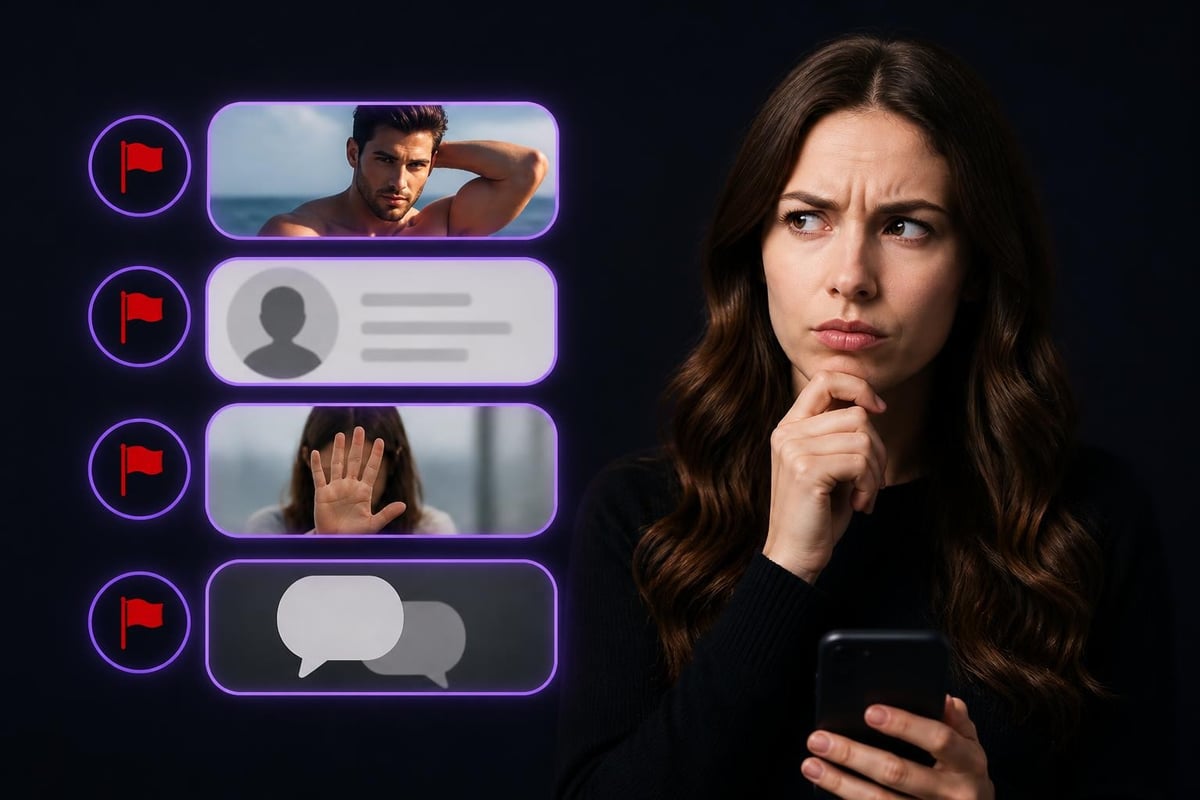
Professional or model-quality photos that look too polished often turn out to be stock images or stolen from Instagram influencers. Real people post real photos, including the occasional awkward angle.
Vague or inconsistent details about their life, work, or location suggest they're hiding something. When someone's story keeps shifting, their photos might tell the truth their words won't.
Reluctance to video chat before meeting is a massive red flag in 2026. If they've got endless excuses to avoid a quick FaceTime, they're probably not who their photos suggest.
The Catfish Checklist
Before your first date, ask yourself these questions:
- Have they only posted photos from identical angles?
- Do their images appear anywhere else online?
- Does their story match what public records show?
- Have they been consistent about basic facts like their job or suburb?
- Do they pressure you to meet quickly or move off the dating app immediately?
Any "yes" means it's time to dig deeper. Australian university guidance on safe online dating practices recommends reverse image searching as standard practice, not paranoid behaviour.
Privacy Considerations When Using Search Tools
Here's the tension: you want to stay safe, but you also don't want to violate someone's privacy or become a digital stalker. Ethical use of a dating profile reverse search site means understanding boundaries.
What's Reasonable vs What's Invasive
Running a basic check on someone's publicly available information before a first date? Completely reasonable. Creating dossiers on every match or obsessively tracking their online activity? That crosses the line.
The difference lies in purpose and proportionality. You're verifying identity and safety, not conducting surveillance. If their information is genuinely private and protected, respect those boundaries.
Ethical guidelines for profile searches:
- Only search people you're actually planning to meet
- Focus on safety indicators, not personal gossip
- Don't share what you find on social media or with others
- Stop searching once you've confirmed they're legitimate
- Never use information to manipulate or pressure someone
Research on how users construct dating profiles shows people often don't realise how linkable their images are across platforms. That accidental trail doesn't give you permission to exploit it.
Choosing the Right Verification Platform
Not all reverse search tools are created equal. Some are built for investigative journalism, others for stalking, and only a few prioritise dating safety specifically.
Features That Matter for Australian Singles
Look for platforms that understand local context. Australian privacy laws, state-specific public records, and our unique dating landscape all matter when choosing a dating profile reverse search site.
Essential features include:
- Australian database coverage (not just US records)
- Photo verification across local dating apps
- Clear safety ratings, not overwhelming raw data
- Privacy protection for your own searches
- Quick results (minutes, not days)
Before meeting someone from a dating app, Australians increasingly use tools like the Web Search Check that scan public records, social media, and dating profiles to deliver a straightforward safety rating. This type of service focuses on what matters: is this person safe to meet?
Free vs Paid Options
| Feature | Free Tools | Paid Platforms |
|---|---|---|
| Basic image search | Limited results | Comprehensive scan |
| Speed | Slower processing | Instant results |
| Database access | Public only | Includes premium sour |