
Dating and Social Media: Safety Guide for Aussies
Dating and social media mix in complex ways. Learn how Australian singles can protect themselves online, spot red flags, and date safely in 2026.
Social media has fundamentally changed how Australians meet, connect, and assess potential partners. In 2026, most dating relationships start with a swipe and evolve through Instagram stories, Facebook profiles, and carefully curated digital personas. But while dating and social media offer unprecedented access to people's lives, they also create new challenges for singles trying to stay safe while finding love.
The intersection of dating and social media isn't just about sliding into someone's DMs anymore. It's about understanding what someone's online presence reveals, what it conceals, and how to protect yourself in an era where anyone can craft a convincing digital identity in hours.
How Social Media Has Transformed Australian Dating
The dating landscape has shifted dramatically over the past decade. Research shows that nearly half of U.S. adults have tried online dating, and Australian numbers follow similar patterns. But the real change isn't just about dating apps themselves.
Social media platforms have become essential dating tools:
- Pre-date research: 78% of singles admit to checking someone's social profiles before agreeing to meet
- Relationship broadcasting: Couples share milestones, photos, and status updates publicly
- Passive monitoring: People track ex-partners and current interests through social feeds
- Validation seeking: Singles curate profiles to attract potential matches
This blending of dating and social media creates opportunities but also risks. You might discover that your match volunteers at animal shelters (lovely!) or that they post concerning content about past relationships (red flag).
The Double-Edged Sword of Digital Footprints
Every photo, comment, and like creates a digital trail. For dating, this visibility can work in your favour or against you.
What you can learn from social media:
- Whether someone's photos match their dating profile
- Their friend group and social circles
- How they treat others in public interactions
- Their interests, values, and lifestyle
- Relationship history and patterns
What can mislead you:
- Heavily filtered or outdated photos
- Curated highlight reels that hide problems
- Fake profiles using stolen images
- Accounts that have been scrubbed clean recently
- Inconsistencies between platforms
The challenge is separating authentic representation from carefully constructed facades. Understanding this difference is crucial for staying safe while dating.
Red Flags in Dating and Social Media Behavior
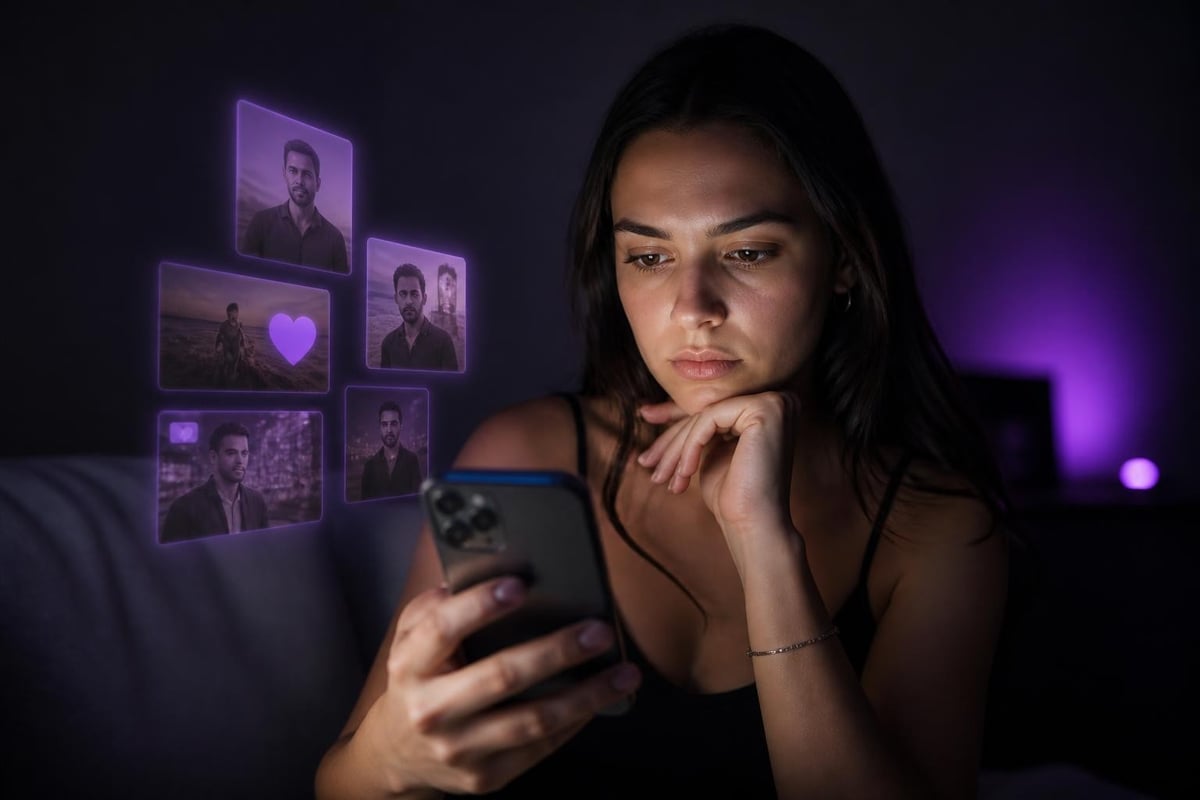
Not everyone who uses social media while dating has bad intentions. But certain patterns should make you pause before agreeing to meet someone.
Profile Inconsistencies That Matter
When someone's dating profile doesn't align with their social media presence, take notice. Maybe they claim to be 32 on Bumble but Facebook suggests they're actually 45. Perhaps their dating photos show them hiking and surfing, but their Instagram reveals someone who hasn't posted outdoor content in three years.
These discrepancies aren't always dealbreakers. People do get lazy with profile updates. But significant inconsistencies warrant questions.
| Red Flag | What It Might Mean | What to Do |
|---|---|---|
| No social media presence at all | Privacy-conscious OR hiding something | Ask directly about their digital habits |
| Brand new accounts | Fresh start OR fake identity | Look for verification signs |
| Only selfies, no tagged photos | Isolated OR using stolen images | Request a video call before meeting |
| Extreme privacy settings | Cautious OR concealing relationships | Respect boundaries but trust your instincts |
| Aggressive or hostile comments | Poor emotional regulation | Reconsider meeting this person |
The Love Bombing Pattern
Some people use social media aggressively early in dating. They'll comment on everything you post, like photos from years ago, and want to connect across every platform immediately. Research on digital dating patterns shows that rushed digital intimacy can signal problematic behavior.
Healthy interest looks different from love bombing:
Healthy: They engage genuinely with your recent posts
Concerning: They've stalked three years back through your timeline within hours
Healthy: They suggest connecting on one platform after a good first date
Concerning: They demand access to all your socials before even meeting
Trust your gut. If someone's social media behavior feels overwhelming, it probably is.
Privacy Protection in the Age of Dating Apps
Dating and social media intersect in ways that can compromise your privacy if you're not careful. Every connection creates potential vulnerabilities.
What Information Are You Sharing?
Before you hand over your Instagram handle to a match, consider what they'll learn. Your profile might reveal:
- Your full name (making further research easy)
- Where you work or study
- Your regular locations and hangouts
- Your friend and family connections
- Your daily routines and patterns
This information helps genuine connections deepen, but it also helps bad actors plan harassment, stalking, or worse. According to comprehensive dating app statistics, safety remains a top concern for users in 2026.
Smart Social Media Boundaries for Daters
You don't need to lock down your entire digital life, but strategic privacy helps:
- Use platform-specific nicknames until you've met someone
- Avoid sharing your location in real-time posts
- Review tagged photos that might reveal home or work addresses
- Create separate dating-specific email addresses for app signups
- Google yourself regularly to know what others can find
Many Australian singles now run a web search check on potential dates before meeting. This privacy-conscious approach lets you verify someone's identity and safety rating through public records, social media, and photo verification without directly confronting them or making accusations.
Using Social Media to Verify Matches Safely
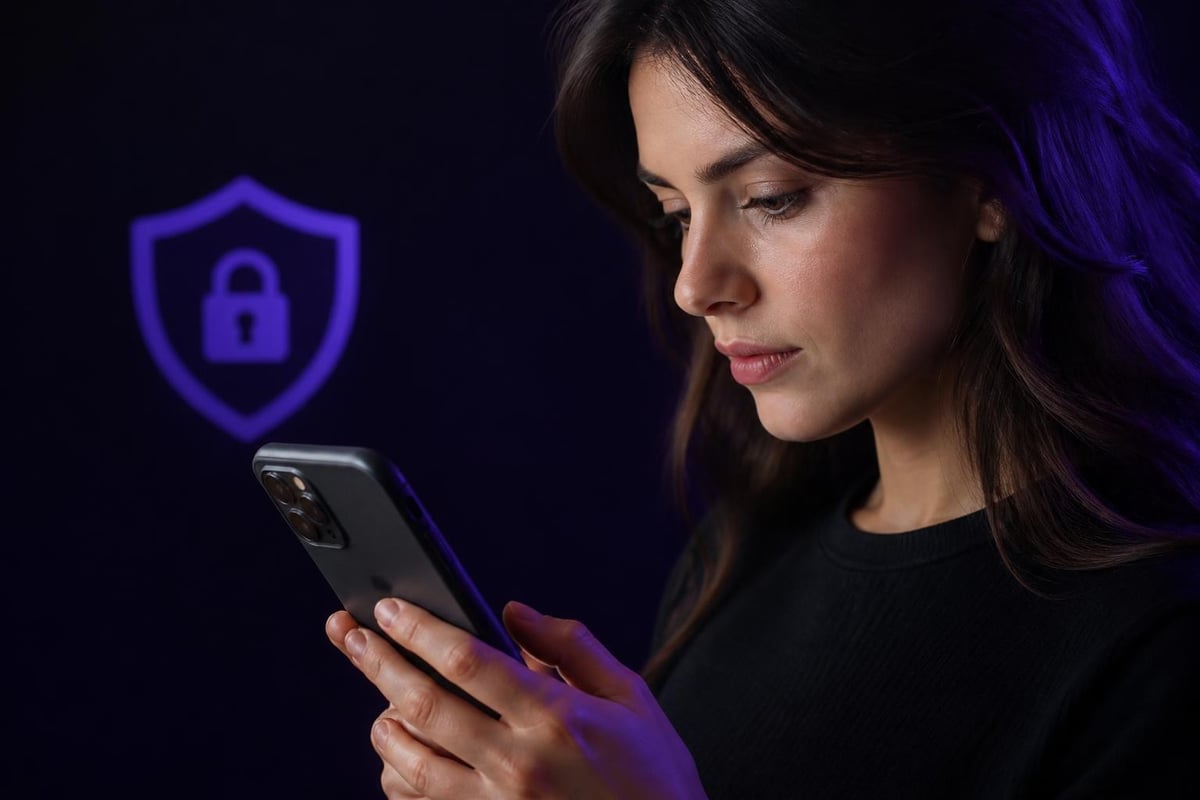
When used thoughtfully, dating and social media combination can improve your safety. The goal isn't to become a detective stalking someone's digital history. It's about confirming basic facts and spotting obvious red flags.
The 15-Minute Pre-Date Check
Before agreeing to meet someone from a dating app, spend fifteen minutes doing basic verification:
Start with their dating profile information:
- Full name (if provided)
- Age and location
- Photos (at least 3-5)
- Their stated profession or interests
Then check social platforms:
- Search their name on Facebook, Instagram, LinkedIn
- Reverse image search their photos on Google
- Look for consistent details across platforms
- Check mutual friends or connections
Red flags to watch for:
- Photos that reverse search to someone else entirely
- Claimed profession that doesn't match LinkedIn
- Age discrepancies of more than a year or two
- Location claims that don't match geo-tagged posts
This isn't about judging someone's entire character from their social media. It's about confirming they are who they claim to be.
What Healthy Social Media Looks Like
Authentic profiles typically show:
- Regular posting over months or years (not brand new)
- Tagged photos with friends and family
- Normal engagement (not suspiciously high or zero)
- Consistent story across platforms
- Natural interaction patterns with others
Nobody's social media is perfect. We all post cringe content sometimes. But there's a difference between "awkward dad jokes on Facebook" and "no verifiable online presence despite claiming to be a 35-year-old professional."