
Catfishing Dating Apps: Spot the Fakes Before You Meet
Learn how to spot catfishing on dating apps. Discover red flags, safety tips, and ways to protect yourself from fake profiles in 2026.
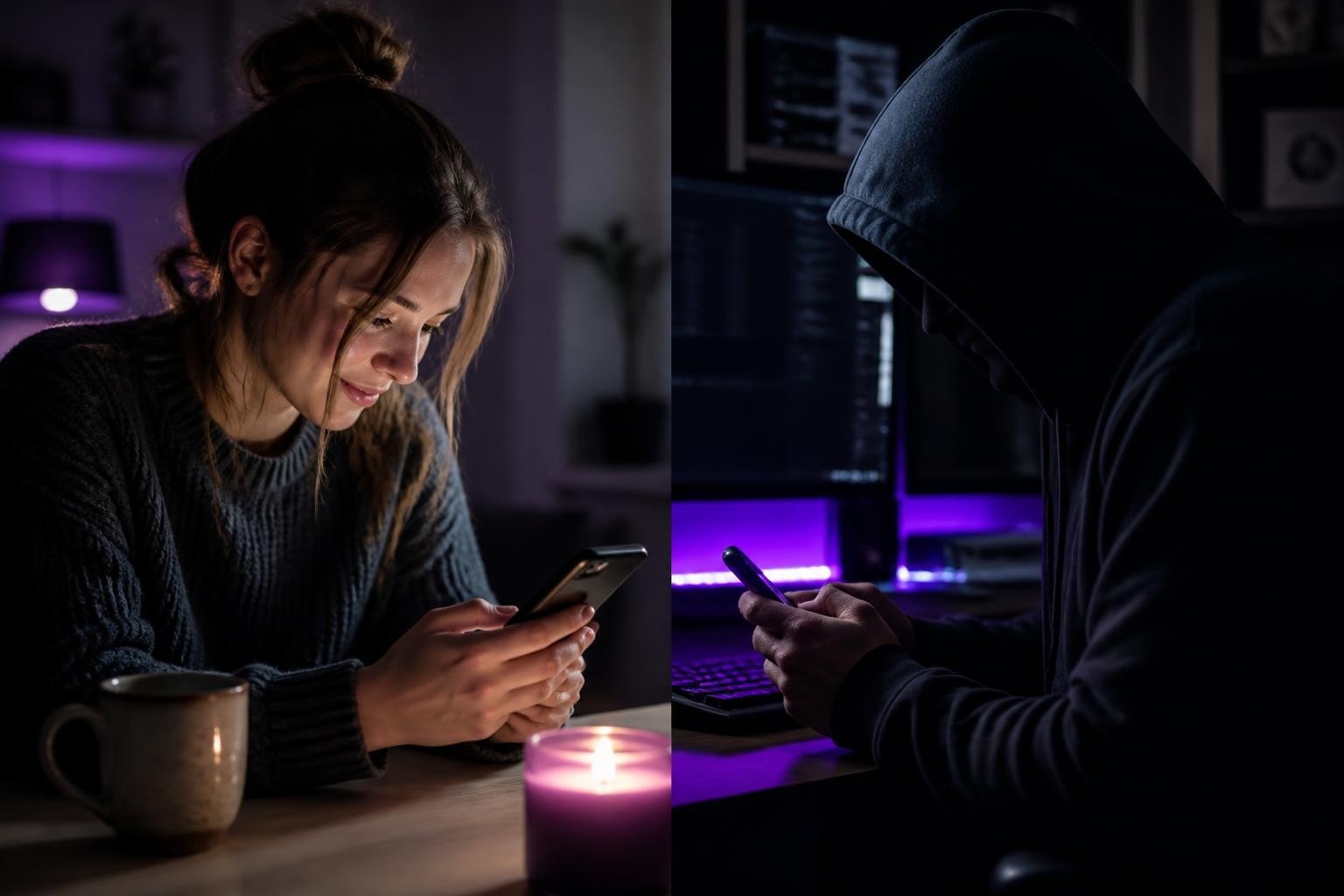
You've matched with someone gorgeous, witty, and seemingly perfect. After a week of chatting, they cancel your first date. Again. They've got excuses for why they can't video call, and their photos look suspiciously polished. If this feels familiar, you might be dealing with a catfish. Catfishing dating apps have become a serious concern for Australian singles in 2026, with fake profiles becoming increasingly sophisticated and harder to spot. Understanding how catfishing works and learning to recognise the warning signs can save you from emotional heartache, wasted time, and potentially serious financial loss.
What Exactly Is Catfishing on Dating Apps
Catfishing involves someone creating a false identity online to deceive others into romantic relationships. The term comes from the 2010 documentary "Catfish," but the practice has evolved dramatically since then.
On dating apps, catfishing typically involves:
- Using stolen photos from models, influencers, or everyday people
- Fabricating personal details including job, location, and lifestyle
- Creating elaborate backstories to maintain the deception
- Building emotional connections while avoiding real-world meetings
- Sometimes leading victims toward financial scams
Understanding what catfishing really means helps you recognise when someone's behaviour crosses from simple embellishment into deliberate deception. Most people stretch the truth a bit on dating profiles, using their best photo or adding a couple of centimetres to their height. Catfishing is different because the entire persona is fabricated.
The motivations behind catfishing vary widely. Some catfishers seek emotional validation they can't get in real life. Others enjoy the thrill of deception. Many operate romance scams designed to extract money from vulnerable victims.
The Real Cost of Catfishing
The financial impact of romance scams in Australia has reached alarming levels. Romance scams cost Australians millions annually, with average losses per victim exceeding $25,000 in some cases.
But money isn't the only thing victims lose. The emotional toll includes:
- Broken trust that affects future relationships
- Feelings of shame and embarrassment
- Time invested in a fictional connection
- Damage to self-esteem and confidence
Research shows that older adults are particularly vulnerable to online dating scams, often because they're less familiar with digital deception tactics and more trusting of people they meet online.
Red Flags That Scream Catfish
Spotting catfishing dating apps profiles requires attention to detail and trust in your instincts. Certain patterns emerge consistently across fake profiles.
Photo Warning Signs
Professional-quality photos that look like modelling shots should raise immediate questions. Run a reverse image search on any photos that seem too perfect. Many catfishers steal images from Instagram influencers or stock photo websites.
| Red Flag | What It Means | What To Do |
|---|---|---|
| Only 1-2 photos | Limited stolen content available | Ask for a specific selfie |
| All glamour shots | Likely stolen from a model | Request casual, unposed photo |
| Grainy or low quality | Downloaded and re-uploaded multiple times | Video call to verify |
| No photos with friends/family | Isolated images easier to fake | Ask about their social circle |
They might have five stunning beach photos but refuse to send a simple selfie holding today's newspaper. That inconsistency tells you everything you need to know.
Communication Patterns That Don't Add Up
Watch for these conversation red flags:
- They avoid specific details about their daily life
- Stories contradict earlier conversations
- They push for emotional intimacy very quickly
- Grammar and spelling don't match their claimed background
- They're always available to chat, regardless of their supposed busy career
Someone claiming to be a surgeon shouldn't have unlimited time for lengthy text conversations during work hours. A person supposedly living in your suburb should know basic local landmarks.
The Eternal Excuse Machine
Every catfish has a reason they can't meet in person. Their webcam is broken. They're caring for a sick relative. They're working overseas on a secret project. They were just about to visit when a family emergency came up.
Recognising these common catfishing tactics helps you spot the pattern before you're too emotionally invested. One cancelled date might be legitimate. Three cancellations with increasingly dramatic excuses? You're being catfished.
How Catfishing Dating Apps Enable Deception
Dating platforms have improved verification systems, but catfishing dating apps remain vulnerable to sophisticated scammers. Understanding how these platforms work helps explain why fake profiles persist.
The Verification Gap
Most dating apps use basic email or phone number verification. Some offer photo verification where users submit selfies in specific poses. However, these systems aren't foolproof.
Scammers bypass verification by:
- Using disposable phone numbers and email addresses
- Employing deepfake technology to pass photo verification
- Creating accounts on platforms with minimal security checks
- Operating multiple profiles across different apps simultaneously
Academic research into fraudulent dating applications reveals that some platforms have minimal security infrastructure, making them prime targets for catfishers and scammers.

Why Apps Struggle to Stop Catfishing
Dating apps face a difficult balance. Strict verification might deter real users who value privacy. Loose verification allows catfishers to thrive. The platforms rely heavily on user reports, which means someone needs to be victimised before action is taken.
Additionally, some catfishers continuously adapt their tactics, creating new profiles faster than platforms can ban them. They study verification systems and find workarounds.
Protecting Yourself From Catfishing
You don't need to become paranoid to stay safe on dating apps. Simple precautions significantly reduce your risk of being catfished.
Pre-Date Research Steps
Before agreeing to meet someone, do your homework. A privacy-conscious web search check can reveal inconsistencies between what they've told you and their digital footprint. This doesn't mean stalking their entire online history, but rather verifying basic facts line up.
Essential verification steps include:
- Reverse image searching their profile photos
- Checking if their social media profiles seem authentic and established
- Confirming their claimed profession through LinkedIn or professional directories
- Asking questions that require specific local knowledge
- Requesting a video call before the first in-person meeting
Someone with nothing to hide won't object to a quick video chat. If they refuse repeatedly, that's your answer.
The Video Call Test
Video calls are catfishers' kryptonite. They can steal photos but can't fake real-time interaction. Make a video call a non-negotiable step before meeting in person.
Watch for these tactics during video calls:
- Extremely poor lighting that obscures their features
- Camera angles that hide most of their face
- Constant "technical difficulties" cutting the call short
- Refusal to turn their camera on while insisting you keep yours on
A genuine person might be nervous on camera but will still participate. A catfish will have endless reasons why it's impossible.
Trust Your Instincts
Your gut feeling exists for a reason. If something feels off about a match, even if you can't pinpoint exactly what, listen to that inner voice. Catfishers are skilled manipulators who create plausible explanations for suspicious behaviour.
Don't let flattery or the excitement of connection override your common sense. The Netflix documentary about the "Sweet Bobby" catfishing case shows how even intelligent, successful peo